Check Out Premium Galveston Whiskey: Top Picks and Distilleries
Wiki Article
Distilleries Demystified: A Complete Break Down of the Production Process
In the world of spirits production, distilleries function as the enigmatic hubs where raw ingredients are transformed into nuanced and intricate potions. The process of purification is a meticulous craft that links virtuosity, science, and custom to yield the spirits we have concerned appreciate. As we get started on untangling the layers of distillery operations, we will certainly browse via the historical roots, elaborate stages of production, and the subtleties that set apart one spirit from another. Join us on this trip as we debunk the inner functions of distilleries, clarifying the alchemy that transforms grains, fruits, or botanicals into the liquid gold that loads our glasses.History of Distilling
Just how did the old art of distilling advance into the modern-day industry we understand today? The background of distilling go back countless years, with its origins mapped to worlds such as the Mesopotamians, Egyptians, and Greeks. These old societies made use of unrefined kinds of distillation to produce perfumes, medicines, and also alcoholic drinks. Gradually, this primitive technique evolved, with substantial advancements made by early Arab alchemists throughout the Middle Ages. They spearheaded using distillation for the production of spirits like brandy and whiskey, preparing for the distilling techniques we see today.The distilling procedure proceeded to proceed with the centuries, with the refinement of techniques and the intro of new modern technologies. This era saw the rise of legendary spirits brands that have actually ended up being household names worldwide.
Basic Material Option
When picking basic materials, distillers need to take into consideration the sugar material, starch conversion capacity, and any type of contaminations present, as these aspects directly influence the fermentation and distillation procedures. For instance, in scotch manufacturing, the selection in between different types of grains like corn, barley, wheat, or rye will certainly lead to unique taste profiles. In addition, the top quality and quality of the raw materials can impact the performance of fermentation and ultimately affect the pureness and intricacy of the final spirit.
Fermentation Process
During the fermentation process in distilleries, sugars from the raw materials are converted into alcohol by yeast via an all-natural chemical reaction. The fermentation procedure is thoroughly kept an eye on to make certain optimum problems for yeast activity, such as preserving the best temperature level and pH degrees.Fermentation times can differ depending on the particular distillery and the kind of alcohol being generated. When fermentation is full, the resulting liquid, recognized as the "laundry" or "beer," is after that prepared to proceed to the purification stage, where alcohol focus is better enhanced through the splitting up of parts based on their boiling factors.
Distillation Strategies
Adhering to the conclusion of the fermentation process, distilleries utilize a selection of distillation techniques to additional concentrate alcohol material and improve the flavor account of the fluid. Distillation is the process of separating alcohol from water and other parts in the fermented liquid with home heating and cooling. One common method is pot distillation, where the fluid is heated up in a pot still, enabling the alcohol to evaporate and after that condense back into liquid type. This approach is understood for producing rich and full-bodied spirits.Another commonly utilized method is column distillation, which involves several purification phases in high columns. This method is preferred for its efficiency in generating high-proof alcohol and is typically made use of in creating vodka and various other neutral spirits. In addition, fractional distillation is a more polished kind of column distillation that enables Distillery in Galveston exact splitting up of various components based on their boiling factors, causing remarkably pure spirits. Eventually, the option of purification technique substantially influences the qualities and quality of the last spirit produced.
Growth and Bottling
Upon getting to the preferred degree of taste growth and complexity, distilled spirits go through maturation before being bottled for usage. Breweries in Galveston Texas. Growth is a vital stage where the spirits are aged in barrels or casks made from various materials like oak, which imparts unique flavors and attributes to the liquid. During this period, the spirits engage with the timber, allowing them to mellow, create brand-new tastes, and boost their overall complexity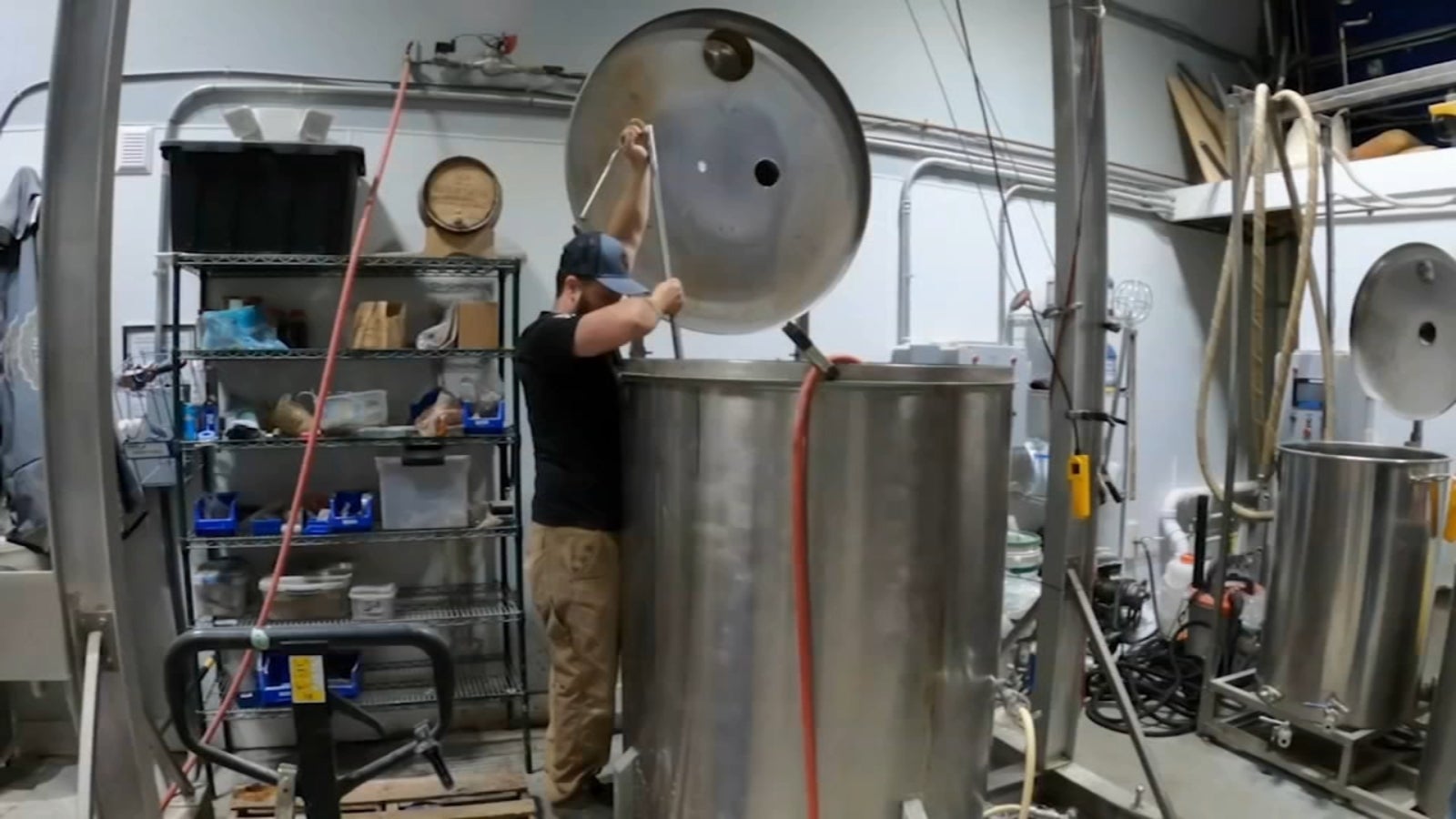
The duration of growth varies depending on the sort of spirit being produced and the desired end product. Spirits such as rum, brandy, and bourbon usually call for years of growth to reach their ideal preference account. Throughout this process, environmental elements like temperature level changes can also affect the maturation process, impacting the final flavor of the spirit.
As soon as the spirits have actually matured to perfection, they are prepared to be bottled. Bottling entails filtering the spirits to remove any type of continuing to be impurities, adjusting the alcohol material if required, and lastly, packaging the liquid in containers or bottles appropriate for distribution and consumption. The bottling stage stands for the end result of the distillation process, where the diligently crafted spirits are presented to customers for their pleasure.
Verdict
In conclusion, the distillation process includes picking basic materials, fermenting them, and using numerous methods to distill the fluid. Maturation and bottling are key steps in creating high-grade spirits. Comprehending the background and ins and outs of distilling sheds light on the complexity and virtuosity involved in developing distilled drinks. By complying with these steps, distilleries can create a vast array of spirits with unique tastes and qualities.The process of purification is a thorough craft that links science, custom, and creativity to generate the spirits we have actually come to appreciate.The choice of raw materials is a vital element of the distilling process, influencing the top quality and taste account of the final spirits generated. Additionally, fractional purification is a much more polished kind of column purification that allows for exact splitting up of various elements based on their boiling factors, resulting in incredibly pure spirits. Throughout this process, ecological aspects like temperature fluctuations can additionally influence the growth process, influencing the final taste of the spirit.
The bottling stage represents the culmination of the purification procedure, where the thoroughly crafted spirits are offered to customers for their enjoyment.
Report this wiki page